Women's Clothing Deals3 min read
How to Build a Capsule Wardrobe on a Budget
Fewer, better-chosen pieces that all work together. A step-by-step way to build a capsule wardrobe slowly, and to pay sale prices for the pieces that matter most.
In this guide6 sections
A capsule wardrobe is a small set of versatile clothes that all work together — often somewhere between 25 and 40 pieces, not counting underwear, sleepwear and workout gear. The number matters less than the idea: every piece earns its place, and almost any top goes with almost any bottom.
It is also one of the most effective ways to spend less on clothes, because you stop buying things that do not go with anything. You do not need to start from scratch or buy it all at once. The best capsules are built slowly, mostly from what you already own, with the gaps filled on sale.
Step 1: Audit what you own
Take everything out, or at least look at it all in one go. Sort it into three piles:
Love and wear — these are the core of your capsule.
Like but rarely wear — ask why. Wrong size? Nothing to wear it with? Needs a repair? Often a single missing piece brings several of these back to life.
Never wear — sell, donate or pass them on.
Notice patterns: the colors you always reach for, the shapes that make you feel good, the items you have bought three times.
Step 2: Choose a palette
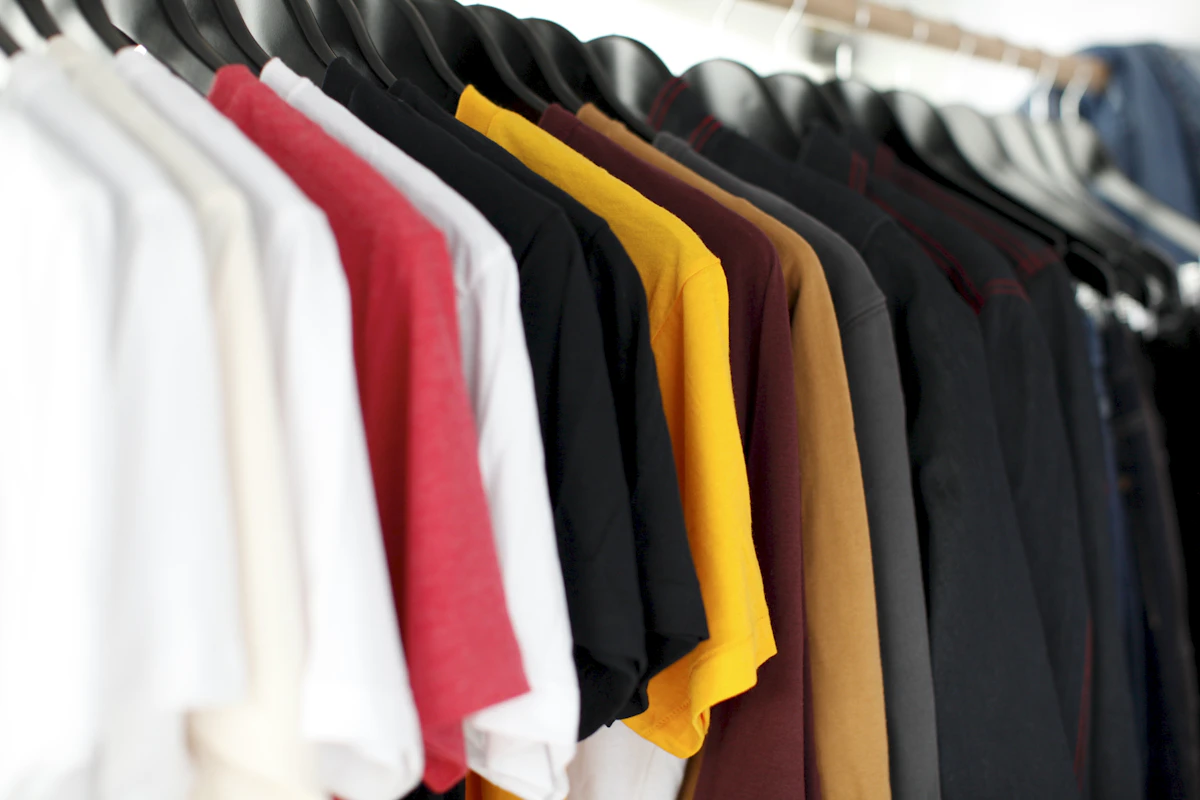
A capsule works because the colors work together. A simple formula is two or three neutrals plus one or two accent colors.
Neutrals make up most of the wardrobe: navy, black, gray, camel, cream, white, denim blue, olive. Pick the ones already dominant in your "love and wear" pile.
Accents show up in tops, knitwear and accessories: a red, a green, a soft pink, a stripe or a print you love.
Step 3: Pick the core pieces
Adapt this to your climate and your days — an office job, a commute on foot and a weekend in the garden all need different things. As a starting point:
Category | Core pieces |
|---|---|
Tops | White and striped tees, a crisp shirt, a fine-knit sweater, a cardigan, one or two tops in your accent color |
Bottoms | Dark straight jeans, a lighter pair, tailored trousers, a midi skirt |
Dresses | A knit or jersey dress that layers, a shirt dress or wrap dress |
Layers | A blazer, a trench or light jacket, a warm wool coat |
Shoes | White sneakers, ankle boots, flats or loafers, one dressier pair |
Step 4: Decide where to spend and where to save
Spend more on pieces you will wear constantly and that depend on structure and materials; save on pieces that wear out or date quickly.
Worth spending on: the winter coat, shoes and boots, jeans that fit, a blazer, knitwear in good wool or cashmere.
Fine to save on: tees and tanks, trend pieces, anything you will outgrow or wear only for one season.
Cost per wear makes this concrete. A $150 pair of boots worn 150 times costs $1 a wear; a $25 top worn three times costs more than $8 a wear. Our guide to spotting a real deal goes further into the numbers, and the fabric guide explains which materials justify a higher price.
Step 5: Buy slowly, and on sale
Write the gaps down in order of priority: the piece that would unlock the most outfits comes first.
Set a price you are happy to pay for each.
Wait for the right season. Coats and knitwear are cheapest after the holidays, summer pieces in July and August — see our sales calendar.
Buy one piece at a time and wear it for a few weeks before deciding what comes next.
Keeping it working
Rotate by season. Store off-season pieces out of sight so the everyday closet stays small and easy to dress from.
Care for it. Wash less often and cooler, dry knits flat, use a sweater comb on pilling, and have shoes re-soled.
One in, one out. When something new comes in, something it replaces goes.
Ready to fill a gap? Browse live deals on blazers, cardigans, jeans and coats.
Stores in this guide
Each one opens on the shop's live deals.


Keep reading

Black Friday 2026: A Game Plan for Women's Clothing Deals
Black Friday lands on November 27 this year and Cyber Monday on November 30. How to go in with a list, your sizes and a budget — and come out with clothes you will actually wear.
Read guide
The Women's Clothing Sales Calendar: When to Buy What
Clothes follow the seasons, and so do the markdowns. A month-by-month guide to when coats, swimwear, denim and party dresses tend to be cheapest.
Read guide
How to Find Your Size When You Shop for Clothes Online
A size 8 in one brand is a 6 in another. Five minutes with a tape measure, a little chart reading and a few habits will save you most returns.
Read guide