Women's Clothing Deals3 min read
A Fabric Guide for Shoppers: What Is Worth Paying More For
Two sweaters at the same price can feel completely different after five washes. What a fabric label tells you, and which fibers earn a higher price.
In this guide6 sections
Two sweaters can cost the same, look the same in the photo and feel completely different after five washes. The difference is usually written on a small label sewn into the side seam — and on the product page, under "details" or "composition". Learning to read it is the quickest way to stop paying for clothes that pill, shrink or sag.
Read the label first
Look at the percentages, not the headline. "Cashmere blend" can mean 5% cashmere. "Wool coat" can mean 30% wool. The composition line tells you what you are really buying.
Read the care instructions before you buy. "Dry clean only" adds to the cost of every wear.
Feel for density. In a shop, hold a knit up to the light; online, look at close-up photos and reviews. Loosely knitted fabric loses its shape sooner.
Natural fibers
Cotton
Breathable, absorbent and easy to wash, but it can shrink and crease. Long-staple cottons such as Pima (Supima is the trademark for American-grown Pima) and Egyptian cotton spin into smoother, stronger yarn that feels softer and pills less. Organic cotton is grown without synthetic pesticides and fertilizers.
Linen
Made from flax. Cool, quick-drying and very durable, and it gets softer with every wash. It creases easily — that is part of its character. One of the best fabrics for hot weather.
Wool and merino
Warm even when damp, naturally resistant to odor, and it needs washing far less often than cotton. Merino is a fine wool, with thinner fibers that feel much less itchy against the skin. "Superwash" wool has been treated so it can be machine-washed.
Cashmere
Soft, light and very warm, from the undercoat of cashmere goats. Quality varies more than with any other fiber: cheap cashmere is made from short fibers that pill heavily. Good signs are a dense knit that springs back when gently stretched, two-ply yarn, and a fabric that does not look see-through against the light. Some light pilling at first is normal, even in good cashmere.
Alpaca
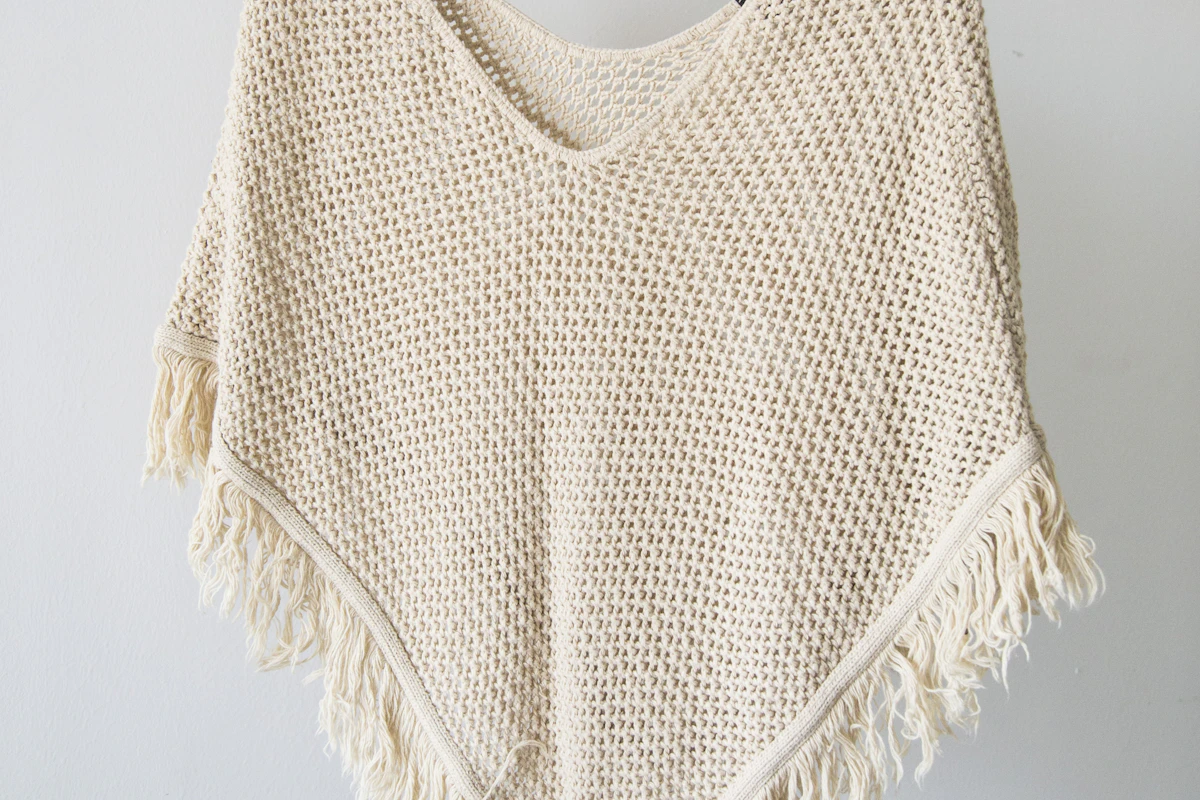
Warm and light, with a soft halo. It contains no lanolin, so some people who find wool irritating are comfortable in it.
Silk
Strong for its weight, with a natural sheen, and comfortable in both warm and cool weather. It needs gentle care. For silk fabrics, a higher momme weight means a denser, more durable cloth.
Fibers made from wood pulp
Viscose (rayon) drapes beautifully and breathes well, but it is weaker when wet, so it can shrink or twist in a hot wash. Follow the care label closely.
Modal is a type of rayon, usually from beech trees. It is very soft and holds up to washing better than standard viscose — common in tees and loungewear.
Lyocell (Tencel is a well-known brand of it) is made in a process that recycles its solvent. Smooth, strong when wet and dry, and it drapes well.
Synthetics
Polyester is durable, holds its shape, resists creasing and dries fast, but it breathes poorly and can hold on to odors.
Nylon (polyamide) is strong and elastic — the backbone of tights, swimwear and activewear, and a useful addition to wool for durability.
Acrylic imitates wool for less money but pills quickly and does not breathe. A sweater that is mostly acrylic rarely looks good for long.
Elastane (spandex, or the brand Lycra) adds stretch. A few percent is enough; heat from dryers breaks it down over time.
Synthetics are not always the wrong choice. For activewear and swimwear they are usually the right one, and a little nylon or polyester in a blend can make a natural fabric last longer.
Where better fabric is worth the money
Item | Worth paying for | Think twice about |
|---|---|---|
Winter coat | A high wool content, or good down | A "wool look" coat that is mostly polyester |
Sweaters | Wool, merino, cashmere or alpaca in a dense knit | Mostly acrylic — it pills fast |
Tees | Long-staple cotton for tees on show | Paying more for basic tees used only as a layer |
Summer clothes | Linen, cotton, lyocell | Polyester, which traps heat |
Work trousers | Wool, or a good blend with a little stretch | Thin fabrics that shine and bag at the knee |
Activewear | Nylon or polyester with elastane | Cotton, which stays wet |
Shopping for good fabric on sale
Natural fibers are among the most rewarding things to buy on sale, because they last: a merino sweater bought at 40% off can still be in your drawer in ten years. Our deal search matches fabric names, so search for the material rather than the item: cashmere, merino, wool, linen or silk. Then read the composition line on the shop's page before you buy.
Stores in this guide
Each one opens on the shop's live deals.
 The Fold deals24 live deals
 Baserange deals23 live deals
 PACT deals22 live deals
 Spun Bamboo deals15 live deals
 Wool& deals14 live deals
 Cuyana deals11 live deals
Show all 10 storesShow fewer stores


Keep reading
Black Friday 2026: A Game Plan for Women's Clothing Deals
Black Friday lands on November 27 this year and Cyber Monday on November 30. How to go in with a list, your sizes and a budget — and come out with clothes you will actually wear.
Read guide
The Women's Clothing Sales Calendar: When to Buy What
Clothes follow the seasons, and so do the markdowns. A month-by-month guide to when coats, swimwear, denim and party dresses tend to be cheapest.
Read guide
How to Find Your Size When You Shop for Clothes Online
A size 8 in one brand is a 6 in another. Five minutes with a tape measure, a little chart reading and a few habits will save you most returns.
Read guide